
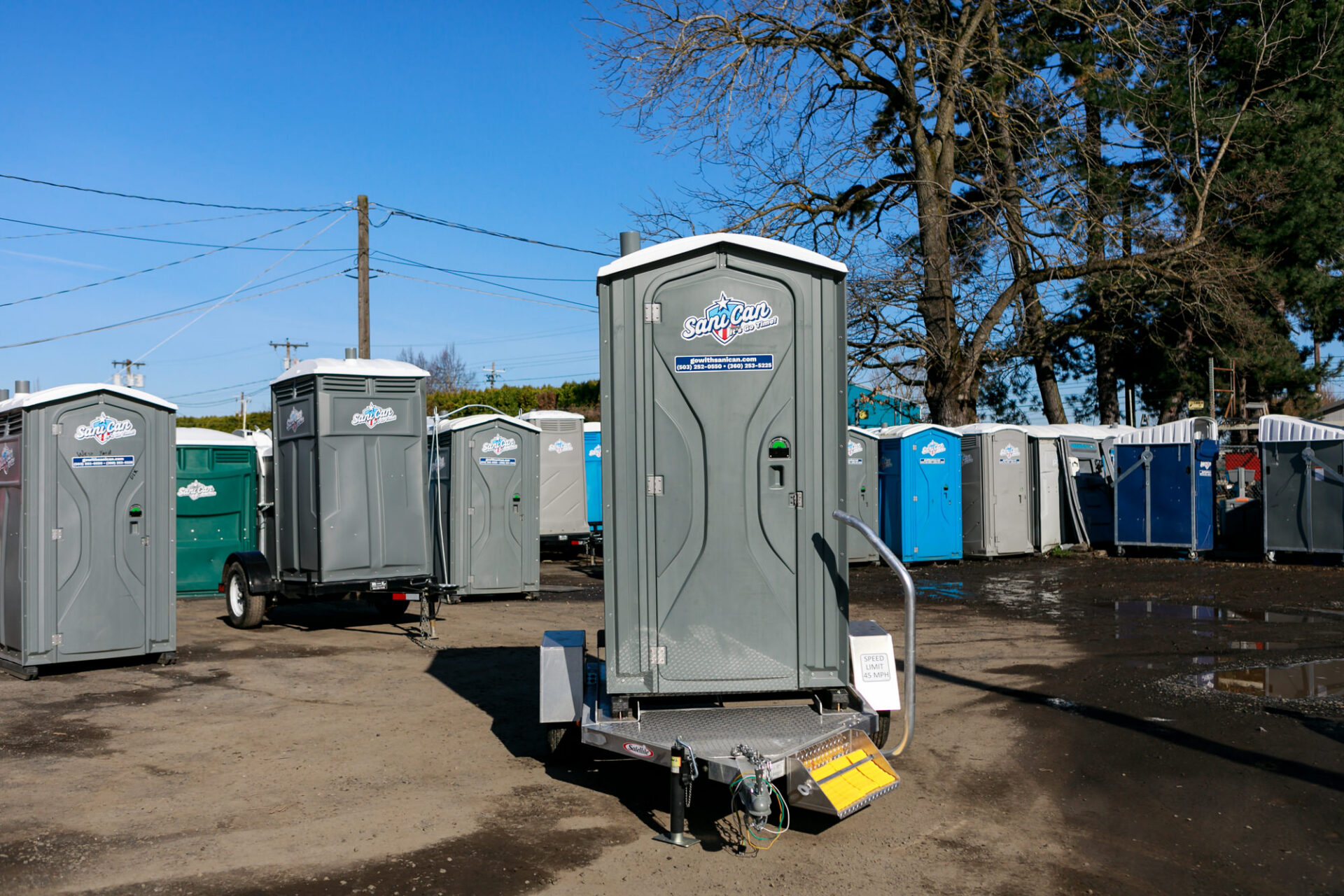
Porta-potties are one of those necessities people only think about when they’re right in front of one. But behind every well-maintained portable restroom is a surprising amount of engineering, planning, and health-and-safety know-how.
Whether you’re organizing an event, managing a job site, or coordinating municipal services, understanding how portable toilets actually work (and what separates a good one from a bad experience) can make a meaningful difference.
Here are a few things most people don’t realize about porta-potties.
Not All Toilet Paper Is the Same

Let’s start with the most talked-about detail.
Portable toilets use specifically designed, fast-dissolving toilet paper. We promise that this is not a cost-cutting measure; it’s actually a functional necessity.
Standard household toilet paper is made to break down gradually in large plumbing systems. In a porta-potty, waste is stored in a holding tank and later vacuum-pumped during servicing. Paper that does not dissolve properly can clog equipment, slow down servicing, and create sanitation issues.
High-quality portable restroom providers use paper that:
- Breaks down quickly in low-water environments
- Reduces buildup in holding tanks
- Supports more efficient and hygienic servicing
This is one of those behind-the-scenes choices that directly affects cleanliness and reliability.
The Blue Liquid Is Doing More Than You Think
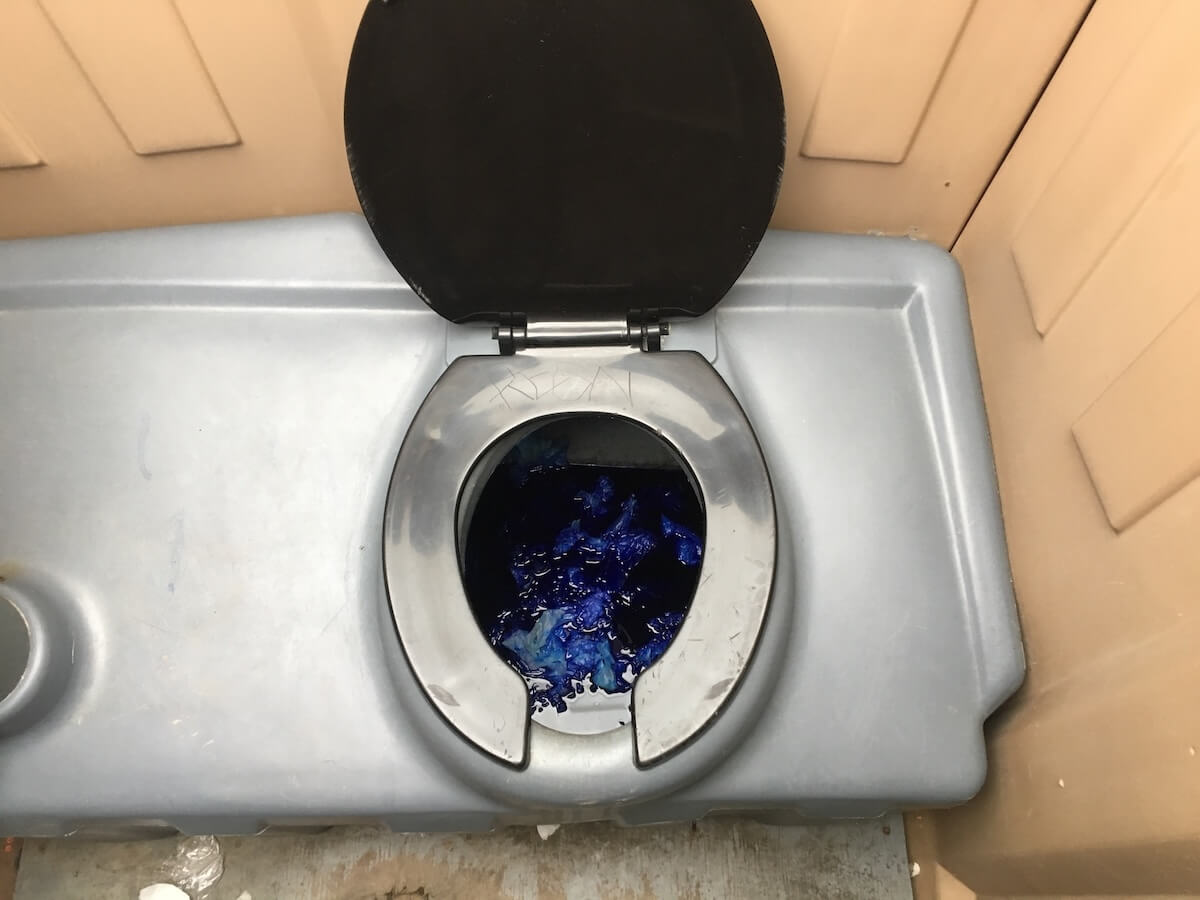
That unmistakable blue liquid at the bottom of a porta-potty isn’t just for show.
It’s a carefully formulated sanitation solution designed to:
- Control odor by neutralizing bacteria, not masking smells
- Begin breaking down waste immediately
- Reduce gas buildup inside the tank
Professional providers adjust chemical treatments based on temperature, usage volume, and service frequency. In hot weather or high-traffic environments, the formulation matters even more.
If a portable toilet smells overwhelmingly bad, it’s often a sign of insufficient servicing or improper chemical balance, not an unavoidable reality of portable restrooms.
Ventilation Is a Critical Design Feature
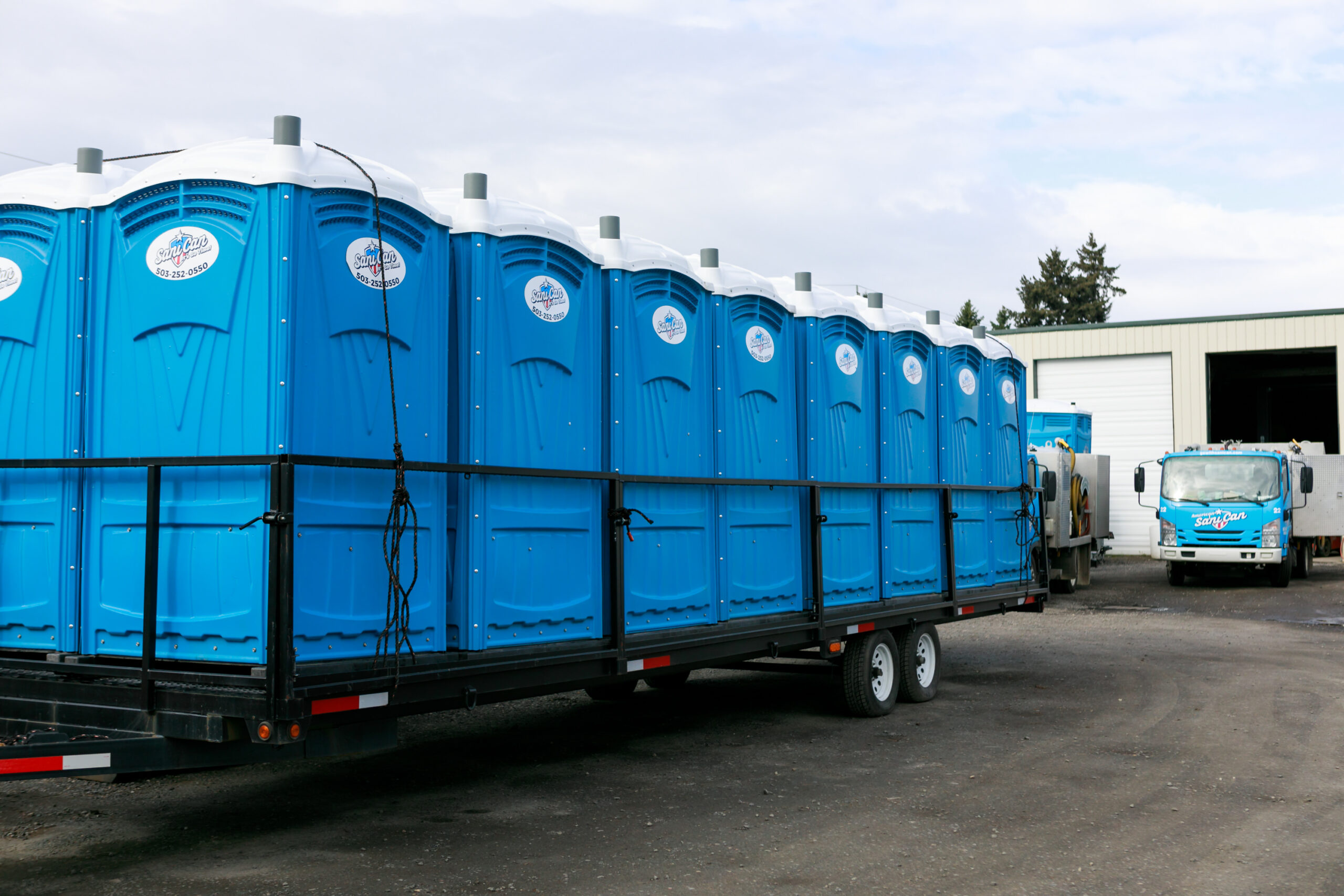
Most people assume porta-potties smell because, well, they’re porta-potties. In reality, ventilation design plays a huge role.
Modern units rely on vertical vent stacks that:
- Pull odors upward and out of the unit
- Use natural airflow rather than fans or electricity
- Reduce odor buildup when doors are closed
Placement also matters. A well-positioned unit with proper airflow will smell noticeably better than one wedged into a stagnant corner or exposed to extreme heat all day.
Servicing Schedules Are Not One-Size-Fits-All
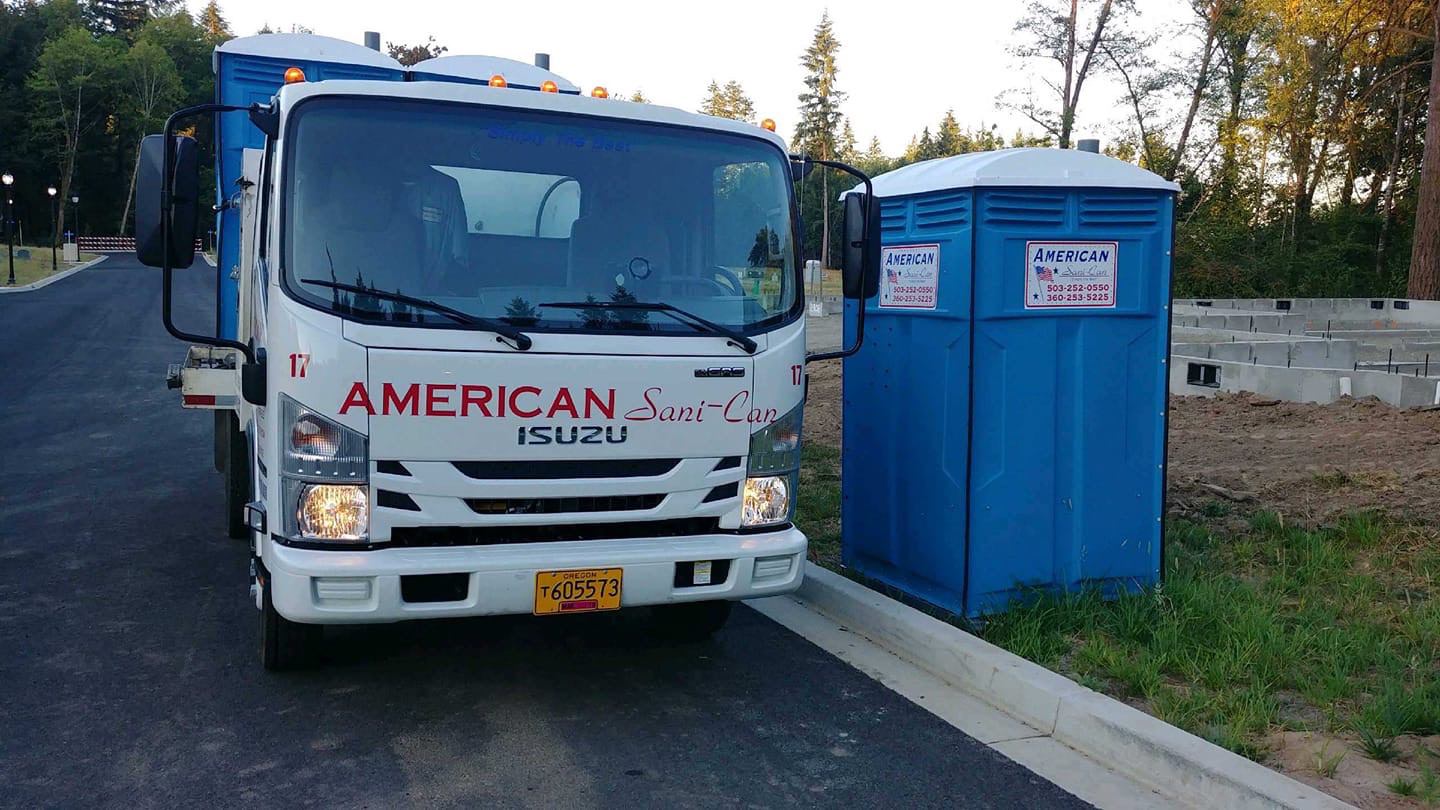
One of the biggest misconceptions about portable restrooms is that weekly servicing is always enough. In reality, usage patterns matter far more than the calendar.
Factors that affect servicing needs include:
- Number of users per day
- Duration of use
- Weather conditions
- Type of event or job site
A construction site with consistent daily use requires a different servicing plan than a weekend festival or a municipal park. Experienced providers adjust schedules proactively to prevent overflow, odors, and sanitation problems rather than reacting after issues arise.
Placement Affects Cleanliness More Than You’d Expect

Where a porta-potty is placed has a direct impact on how clean and usable it stays.
Best practices include:
- Level ground to prevent tipping and leaks
- Easy access for service trucks
- Adequate spacing to reduce crowding
- Strategic distance from food areas without being inconvenient
Poor placement often leads to faster wear, increased mess, and a worse user experience, no matter how good the unit itself is.
ADA-Compliant Units Are Thoughtfully Engineered

ADA-compliant portable restrooms are not just larger boxes. They are designed with:
- Reinforced flooring for stability
- Wider doorways for mobility devices
- Interior handrails placed to code
- Additional interior turning space
These units require more planning for placement and access, which is why working with an experienced provider matters, especially for public events or municipal use.
Clean Porta-Potties Are a Logistics Achievement
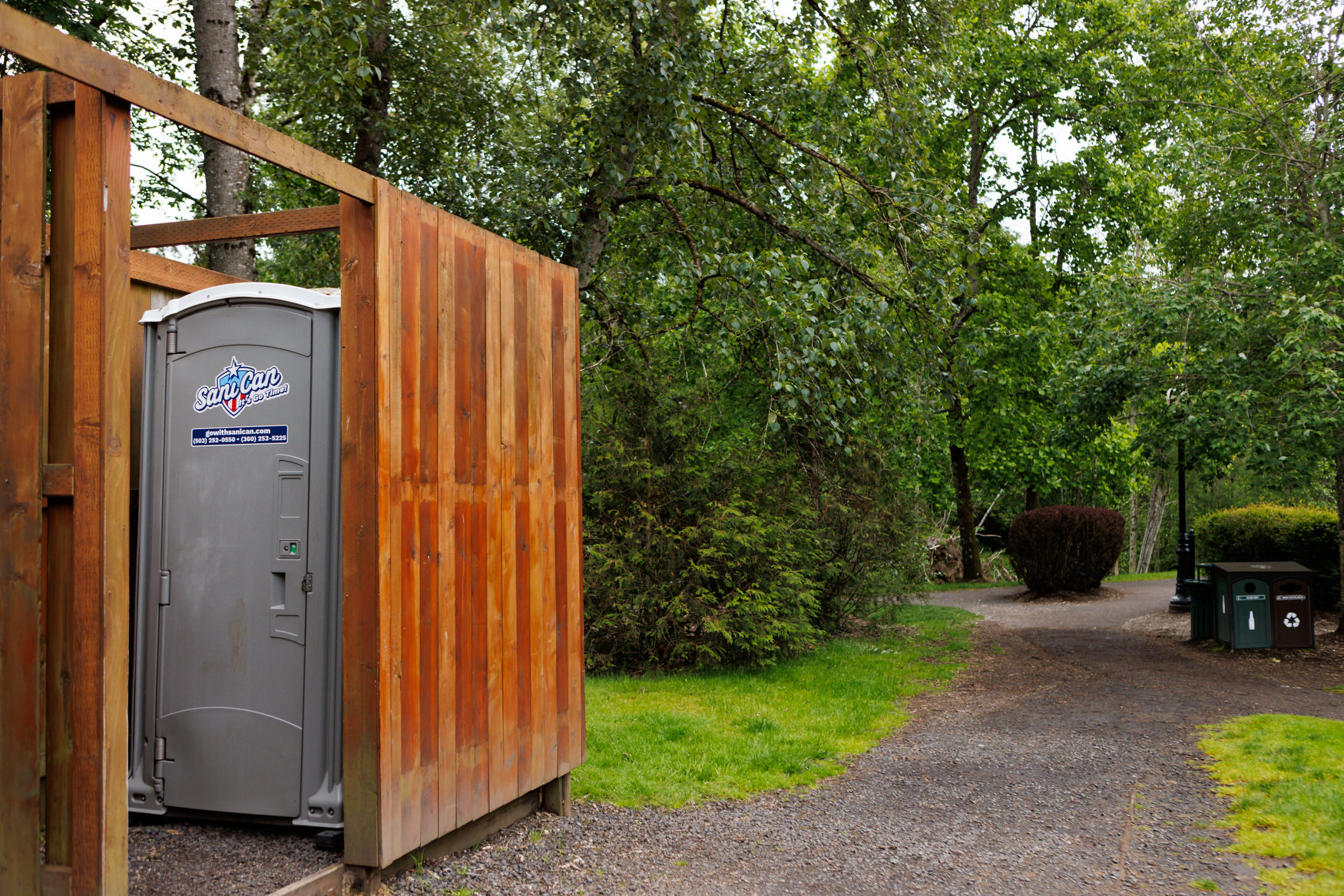
When a portable restroom is clean, stocked, odor-controlled, and functioning properly, it’s usually because:
- The provider planned usage accurately
- The servicing schedule was realistic
- The right equipment and materials were used
- The logistics were managed well
It’s easy to notice when something goes wrong. But when things go right, it’s often invisible, and that’s the goal!
Why Professional Providers Make the Difference
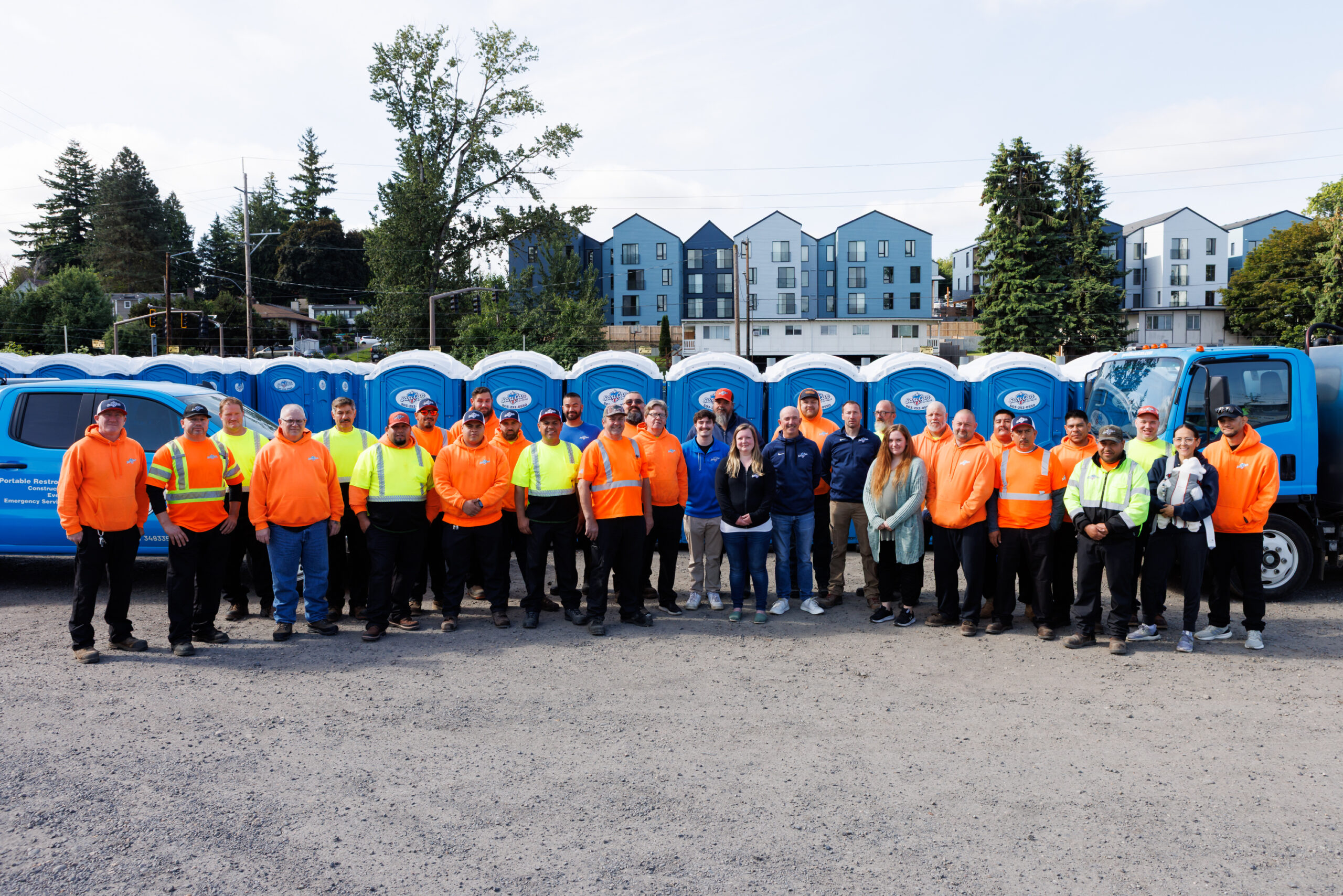
Anyone can drop off a portable toilet. Fewer companies focus on:
- Preventative maintenance
- Proactive servicing schedules
- Proper chemical balance
- Site-specific planning
At American SaniCan, portable restrooms are treated as essential infrastructure, not an afterthought. From toilet paper selection to service timing, every detail is considered to ensure reliability, cleanliness, and a better experience for everyone using them.
Planning a Project or Event?
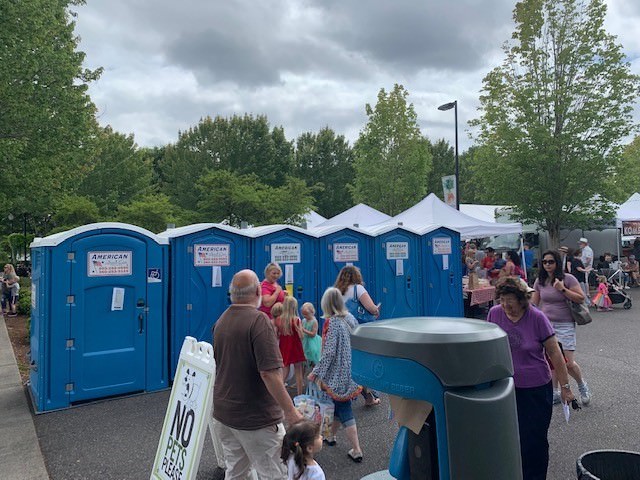
If you’re coordinating an event, managing a construction site, or overseeing public facilities, working with a knowledgeable portable sanitation provider can save you time, reduce complaints, and prevent avoidable issues.
Clean, well-maintained porta-potties don’t happen by accident (pun intended): they’re the result of planning, experience, and attention to details most people never see.